
Hong Kong 香港 🇭🇰
Hong Kong Travel Guide: Budget Tips, Hidden Gems & Must-See Attractions. Discover the best of Hong Kong — from the Monster Building to Victoria Peak, Tai O Village, and Tian Tan Buddha. Budget travel tips, local food, and cultural insights included.
Artur Preobrazenski
10/16/20255 min read

Welcome to Hong Kong – Where Space Tells a Story
I thought I knew what “big city life” meant — until I landed in Hong Kong.
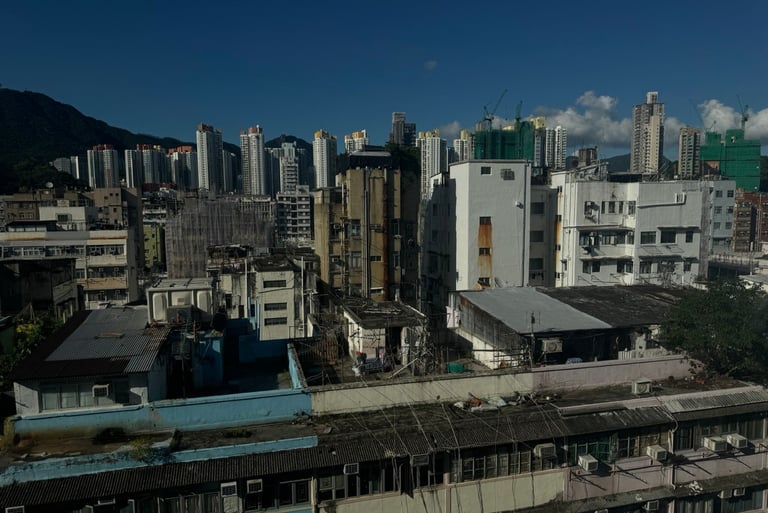
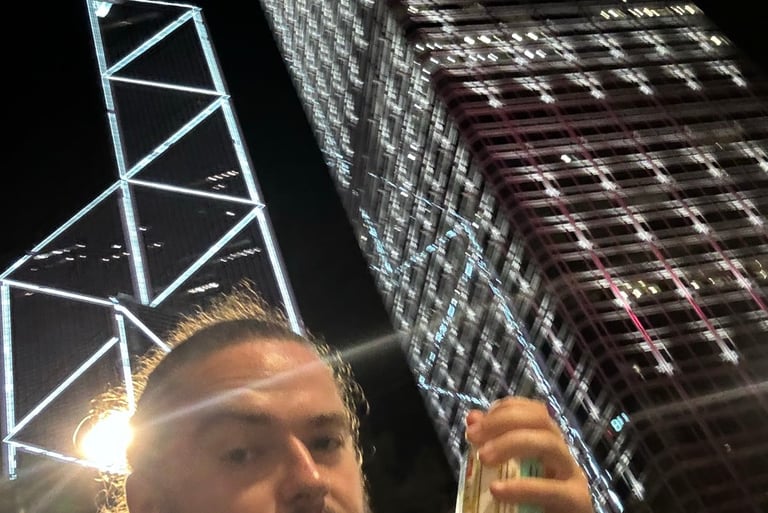
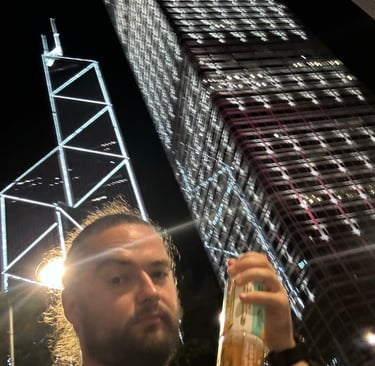
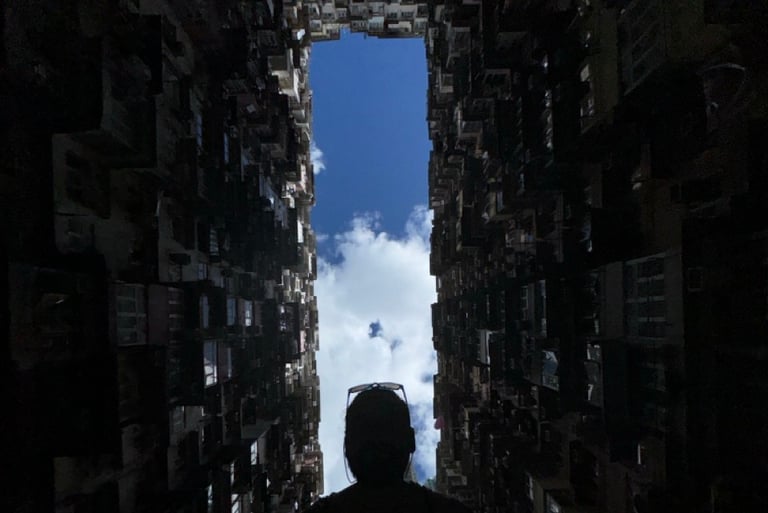
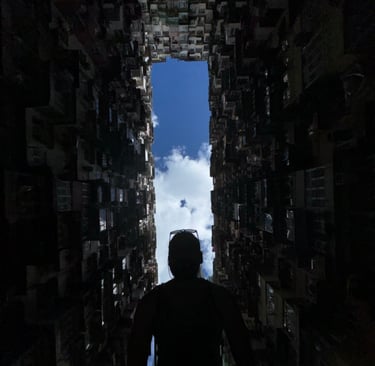
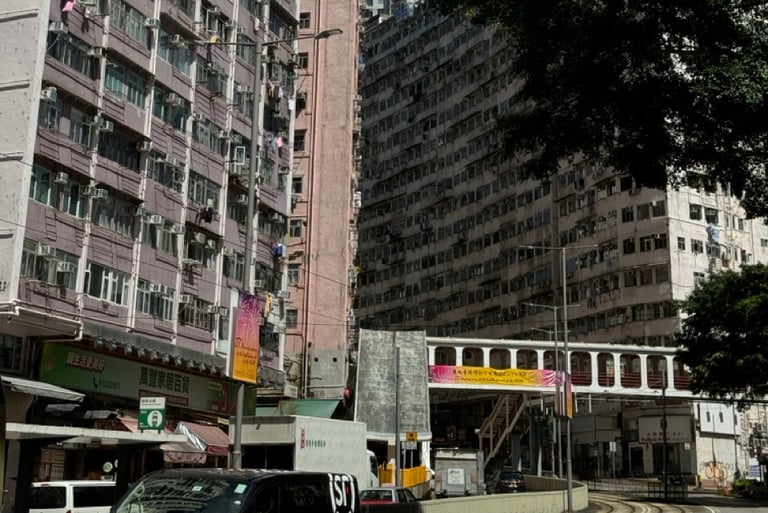
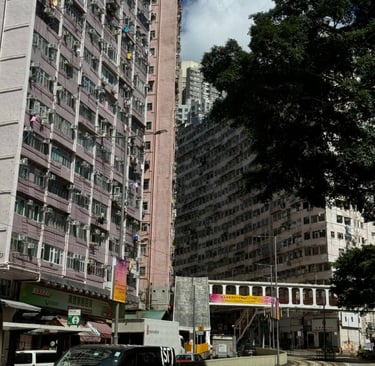
From the moment I stepped into Quarry Bay and faced the iconic Monster Building, I realized this city plays by its own rules. Imagine six or seven people living in just 14 square meters — that’s smaller than most bedrooms in the West. It’s overwhelming, yet mesmerizing — a vertical village of history and humanity.
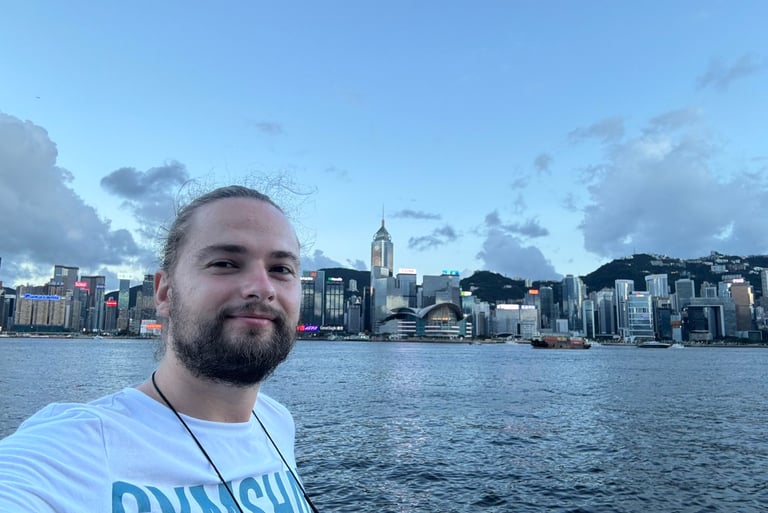
Budget Travel in Hong Kong: Where to Stay and Eat
My base for the week: a hostel for $120 (USD) total for five nights — clean, central, and surprisingly cozy.
It had filtered water, a kitchen, and a “chill zone” for travelers. Laundry? 54 HKD.
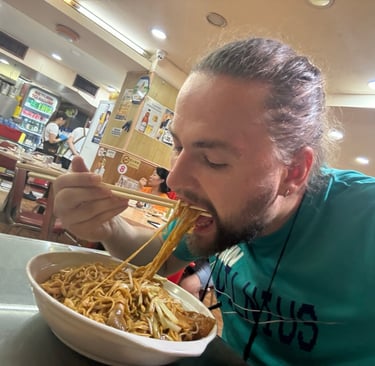
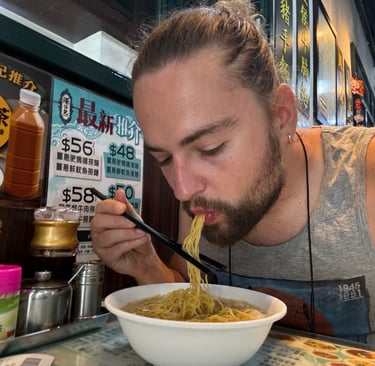
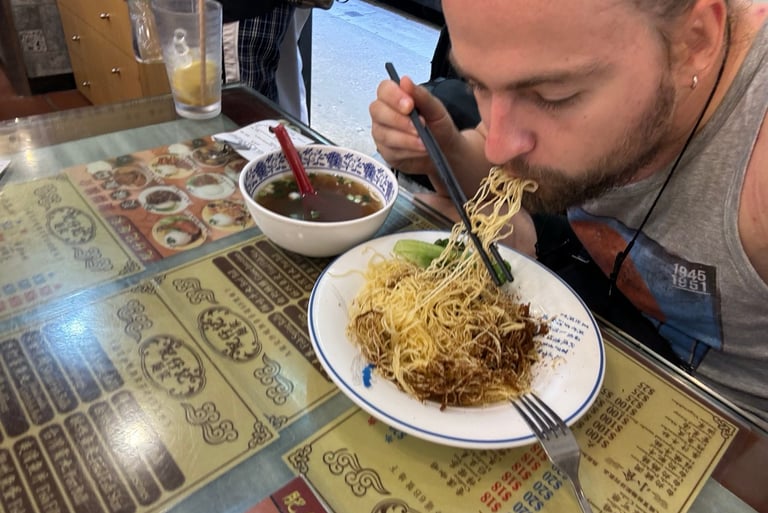
Dinner? Dumplings and noodles for 40 HKD.
Dessert? Crispy egg waffles for 25 HKD.
Tip: Local cafés and “Cha Chaan Teng” diners are your best friends for cheap eats in Hong Kong. You’ll eat like royalty on a backpacker’s budget.
Support local cafés and markets instead of global chains to sustain the local economy.


The Harsh Truth About Hong Kong’s Housing Market
Hong Kong’s skyline hides a brutal reality: it’s one of the most expensive real estate markets in the world.
A 26-square-meter flat costs 4.46 million HKD (around $500,000 USD) — for a 35-year-old building. Rent? 15,000 HKD per month, almost an entire average salary.
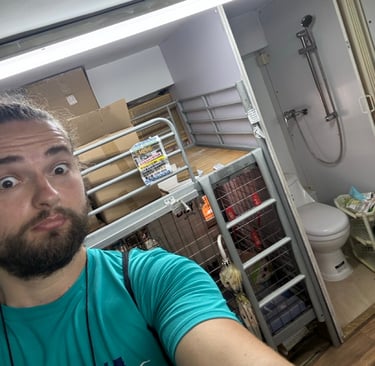
Then there are the “cage homes” — cramped metal enclosures where people live for security and privacy in shared spaces. It’s shocking, yet it’s everyday life for many Hongkongers.
Avoid photographing residents in old housing blocks (like the Monster Building) without permission.

Escaping the City: The Tian Tan (Big) Buddha Experience
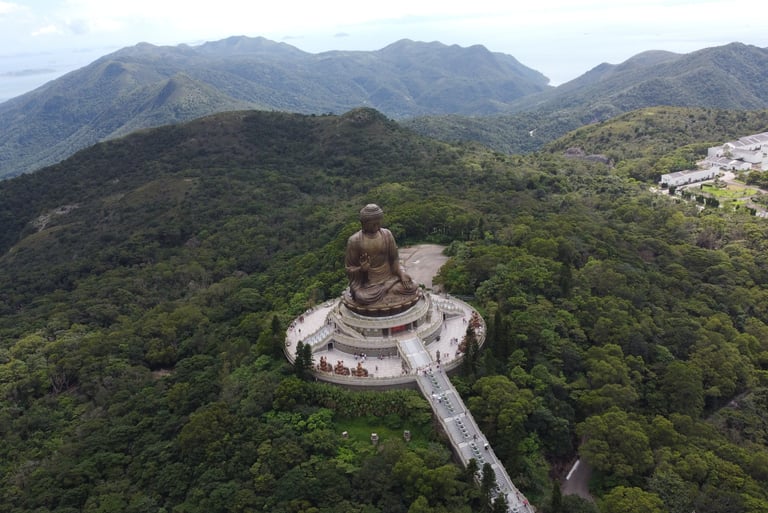
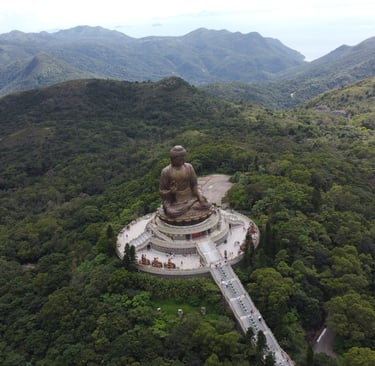
After days of traffic and neon lights, I craved silence. My escape: Tian Tan Buddha on Lantau Island — one of the top things to do in Hong Kong.
You can reach it by cable car (370 HKD), bus, or hike. I took the bus — one hour of winding roads and ocean views.
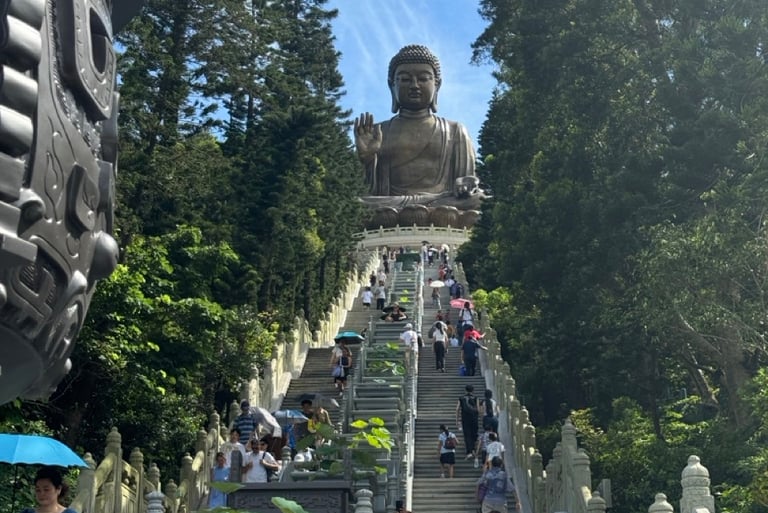
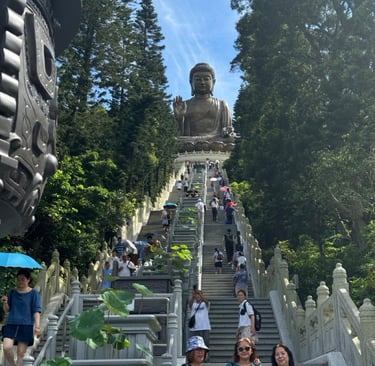
The Big Buddha is a bronze masterpiece built from 202 pieces, weighing 250 tons. Climbing 268 steps to reach the top, I was rewarded with sweeping views and a sense of peace that words can’t capture.
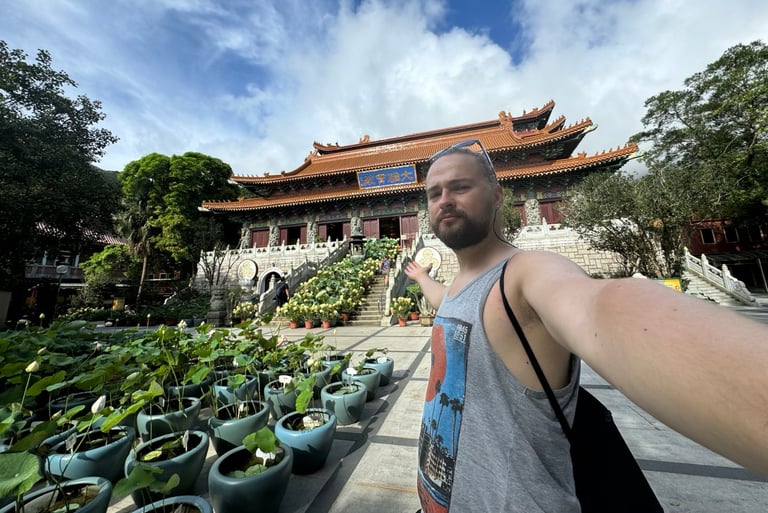
Nearby, the Po Lin Monastery glows with gold statues and incense — a sacred space that silences even the noisiest minds.
Don’t feed wild monkeys or pigs (strictly prohibited).
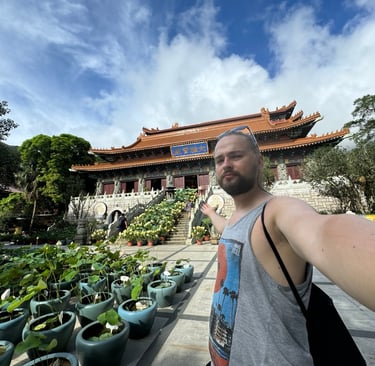
Hidden Gem: Tai O Fishing Village
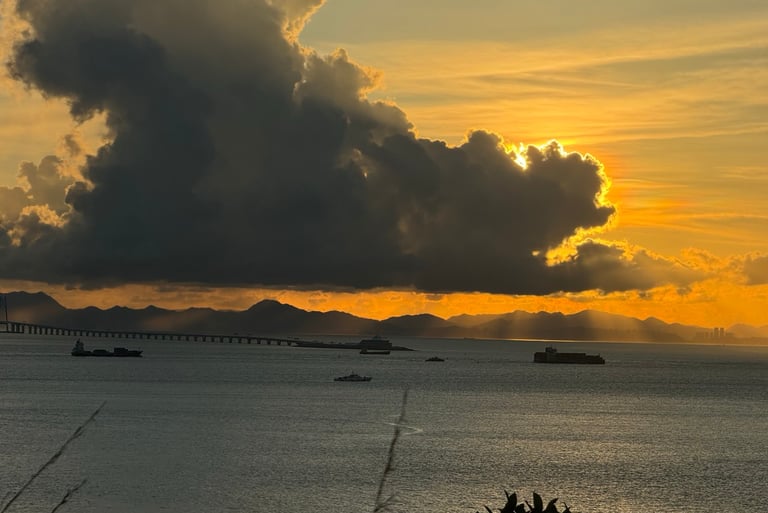
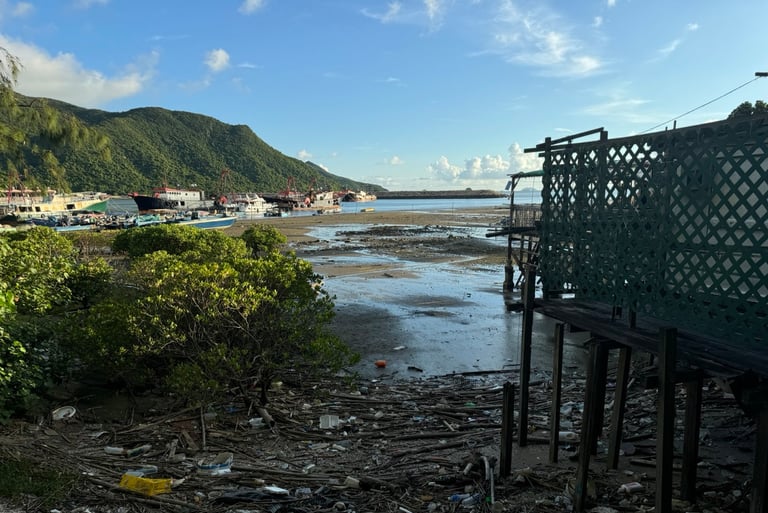
Still on Lantau Island, Tai O village feels like another world.
Here, silver-painted stilt houses rise above the water, surrounded by mountains and stillness. Ferries connect the islands seamlessly — making it easy to explore even on a tight budget.
If you ever wonder whether Hong Kong has nature — Tai O will prove it does.



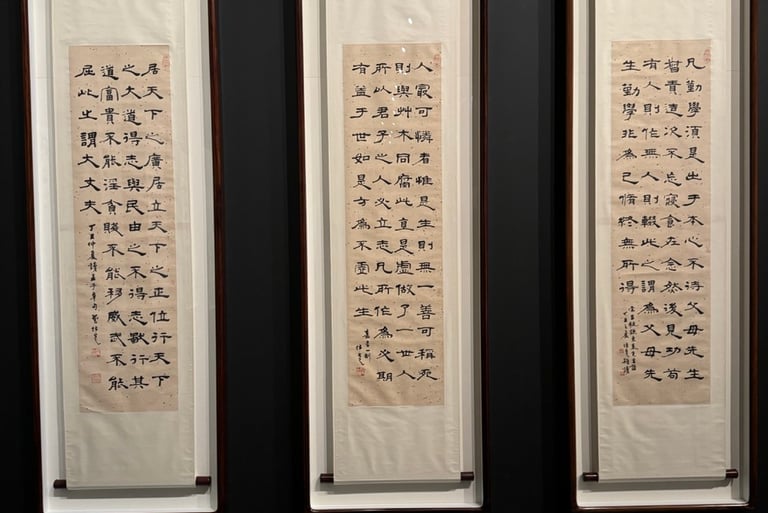
Discover Hong Kong’s Art & Culture for Free
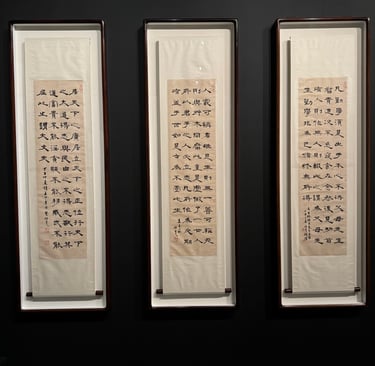
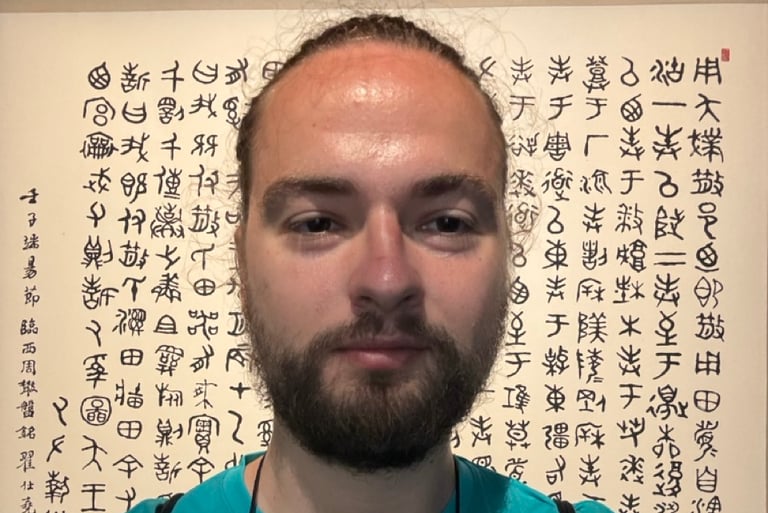
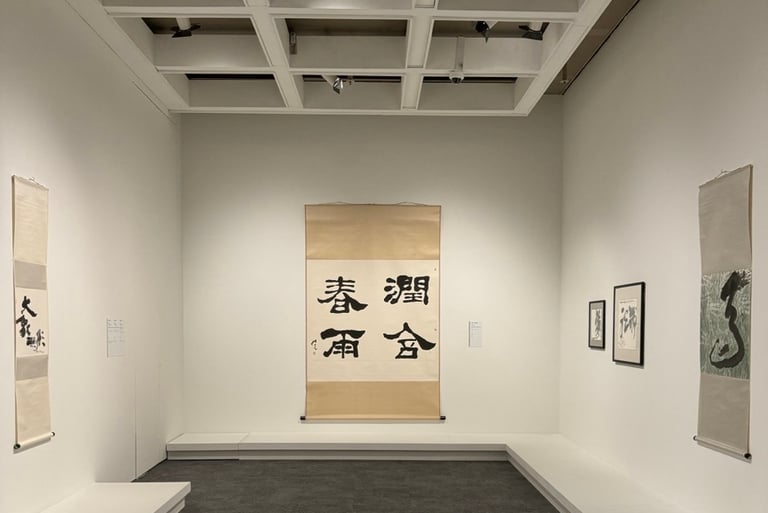
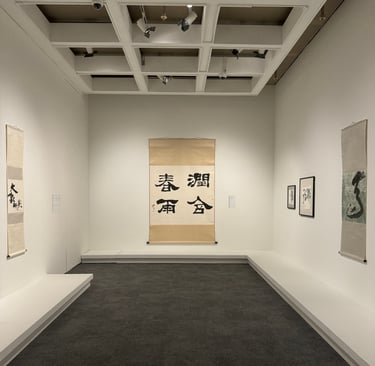
Many of Hong Kong’s art galleries and exhibitions are free, offering a glimpse into the city’s cultural identity.
Local artists blend Eastern calligraphy with Western styles, creating pieces that feel both chaotic and calm — much like Hong Kong itself.
Art here isn’t just something to understand; it’s something to feel.

Hiking to Victoria Peak – The Best Free View in Hong Kong
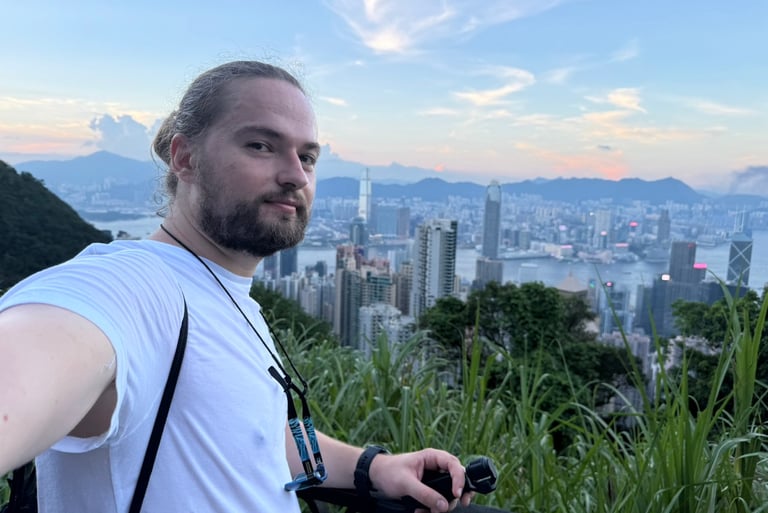
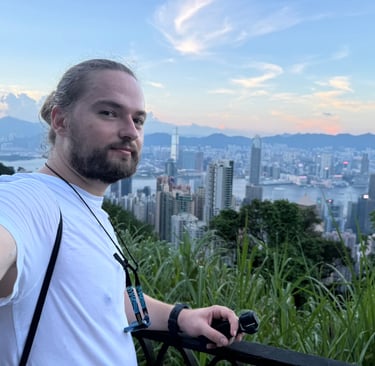
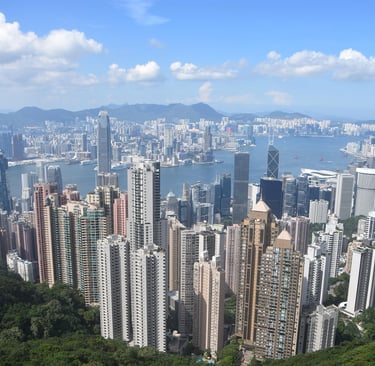
Forget the tram — I hiked to Victoria Peak with my camera and a questionable sense of direction. The trail wound past the Zoological & Botanical Gardens, monkeys in the trees, and towering skyscrapers climbing steep hillsides.
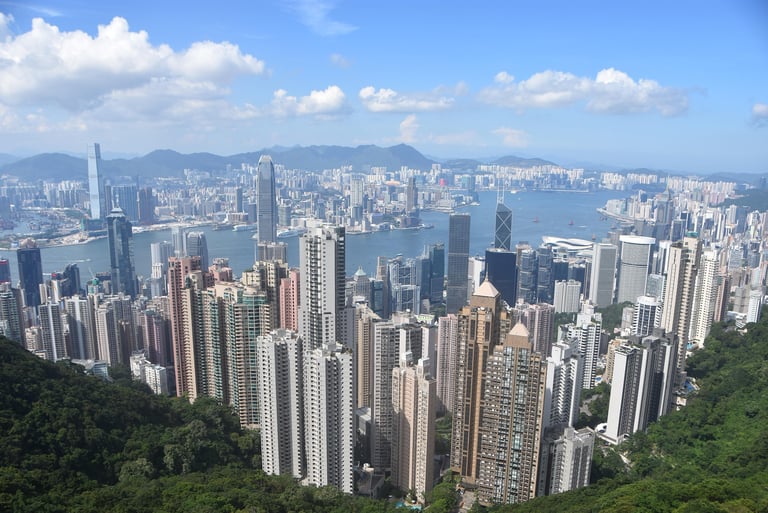
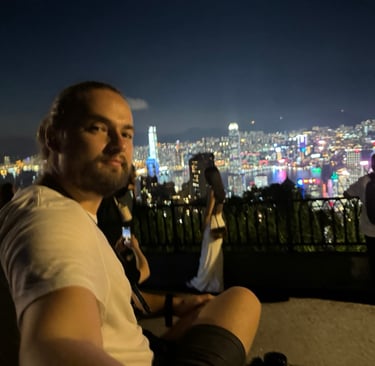
I got lost, dodged spider webs, and finally reached a free lookout point with an unforgettable skyline view.
Tip: Skip the paid terrace. The best view of Hong Kong is free — you just have to sweat a little for it.

Final Thoughts: A City of Contradictions
In five days, Hong Kong gave me more emotions than most places do in a month.
It’s chaotic yet peaceful, modern yet traditional, rich yet humble. From cage homes to temples, street food to skyscrapers, every corner tells a story of survival and spirit.
For travelers, it’s not the cheapest destination — but it’s one of the most unforgettable.
✅ Quick Hong Kong Travel Tips
Visa & Entry Requirements
Visa-free entry: Many nationalities (e.g., EU, UK, US, Australia, Japan) can visit Hong Kong visa-free for 7–90 days, depending on the passport.
eSIM / Wi-Fi: eSIMs are easy to set up at the airport; free public Wi-Fi is available in MTR stations and malls.
Transport Tips
Octopus Card: Works for all public transport — MTR, buses, ferries, and even convenience stores.
Airport Express Train: Fastest way from Hong Kong International Airport to Central (~24 minutes).
Ferries: Budget-friendly and scenic — especially the Star Ferry between Central and Tsim Sha Tsui (costs only ~5 HKD).
Cash vs. Cards
Hong Kong is mostly card-friendly, but cash is needed for small shops, local cafés, and markets.
ATMs are widely available; most dispense in HKD.
Etiquette Tips
Always hand or receive money/cards with both hands — it’s a sign of respect.
Avoid touching people casually (especially elders).
Locals tend to be efficient, not rude — don’t take directness personally.
Cultural Insight
Hong Kong blends British efficiency with Chinese tradition — hence the bilingual signs, double-decker trams, and mix of temples with skyscrapers.
Tap water: Usually safe but often filtered for taste — your hostel’s filtered tap was typical.
When to Visit Hong Kong
This helps readers plan around weather and crowds.
Best time: October to March (mild weather, festivals like Chinese New Year).
Avoid: June–September (humid, typhoon season).
Tip: For clear skyline views, visit Victoria Peak at sunset or early morning after rainfall.
Shopping & Night Markets
Quick mention makes your guide feel complete.
Temple Street Night Market (Kowloon): Street food + souvenirs.
Ladies Market (Mong Kok): Bargain clothes and gifts.
PMQ (Central): Local design shops and indie art.
Apps Every Traveler Should Download
Adding this increases retention and provides actionable value.
Citymapper / Google Maps – for public transport routes
Octopus App – track balance and reload card
Klook / GetYourGuide – for discounted attraction tickets
Komoot – for hiking routes (as mentioned in your video)
Translate App / Google Translate – helpful for menus and signs
Connect me:
If you need help to plan your adventure
Follow
© 2025. All rights reserved.