The Ultimate Swiss Cycling & Camping Adventure
Cycle from Munich to Milan via Switzerland on a budget. Discover Zurich, Bern, Interlaken, Lauterbrunnen, Grindelwald, Grimselpass & Matterhorn with camping tips, budget hacks, and breathtaking Alpine views. (Vilnius to Munich by FlixBus).
Artur Preobrazenski
9/13/20235 min read
Imagine pedaling from Munich to Milan through the heart of Switzerland—crossing emerald valleys, conquering legendary Alpine passes, pitching your tent by turquoise lakes, and gazing up at the mighty Matterhorn. This isn’t a glossy postcard version of Switzerland. It’s raw, real, breathtaking, and—believe it or not—affordable. Yes, in one of the world’s most expensive countries, you can travel on a budget, if you’re willing to trade five-star hotels for two wheels and a sleeping bag.
Vilnius to Munich — The Long Bus Ride
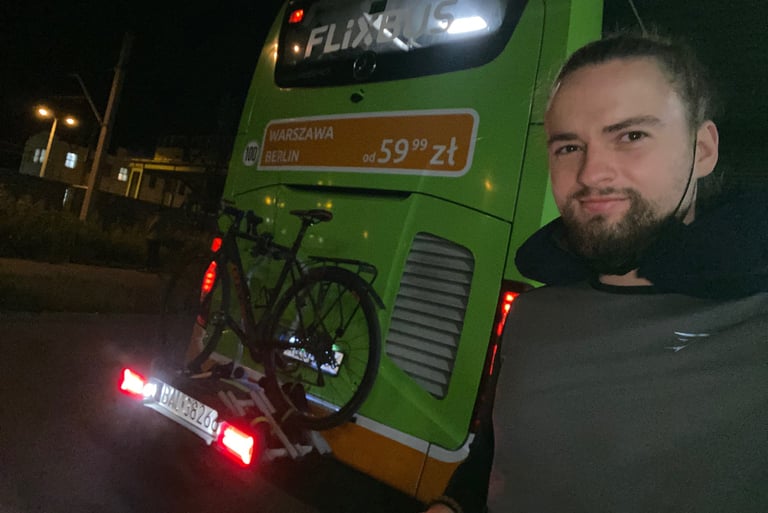
The adventure didn’t start in the Alps—it started in Vilnius, Lithuania, on a budget adventure bus. I opted for FlixBus, the cheapest way to cover the long journey to Munich. Little did I know that 28 hours on crowded buses, juggling luggage and a bike in unpredictable compartments, would become the first real test of patience and endurance.
From cramped seats to stops in unfamiliar towns, the trip felt like a trial run for the challenges ahead. Smells, delays, and bus driver moods made every kilometer a story. But eventually, Munich appeared on the horizon—a city that would serve as my launchpad, where the real adventure awaited.
Cost check: A ticket from Vilnius to Munich, bike included, was about €120–130, a small price for the story that would unfold.

Basel: Gateway to Switzerland
Before diving deep into the Alps, a stop in Basel gave a taste of Switzerland’s multicultural flavor. Nestled by the Rhine and bordering France and Germany, Basel mixes history and modern design. But here too, the prices sting. A quick lunch can run €15–20 easily. The lesson? Shop in supermarkets like Coop or Migros, where a ready-to-eat sandwich is around €5, and groceries for dinner cost about €12.
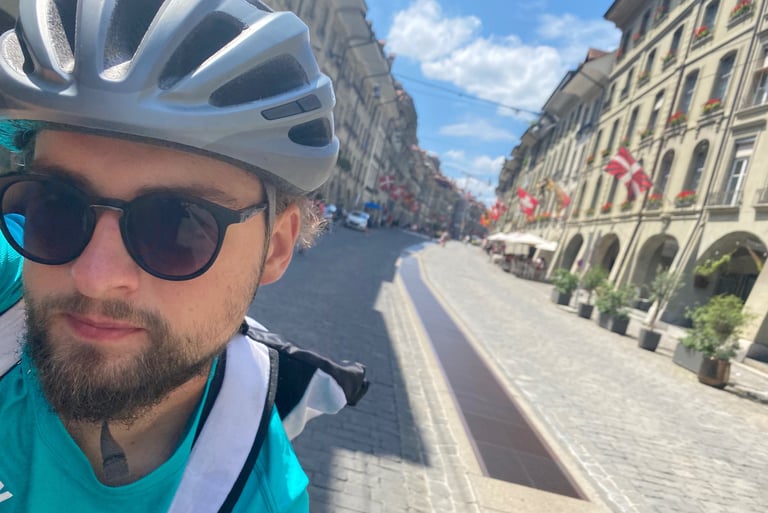
Bern: Switzerland’s Medieval Heart
After Basel, the road curved into Bern, the charming Swiss capital. Unlike Zurich’s financial buzz, Bern feels slower, medieval, and cozy. Its UNESCO-protected old town, with its arcaded streets and iconic Zytglogge clock tower, feels straight out of a fairy tale. Fun fact: Albert Einstein lived in Bern when he developed his theory of relativity. The city is also remarkably green—pedestrian-friendly and committed to sustainability. Public transport day passes cost around €8–10, but for cyclists, the magic lies just outside: the rolling hills whispering that the Alps are near.

Interlaken: The Adventure Capital
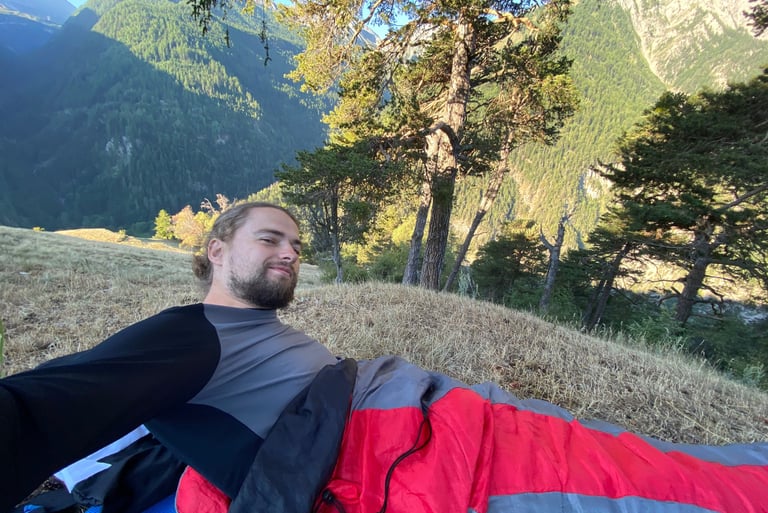
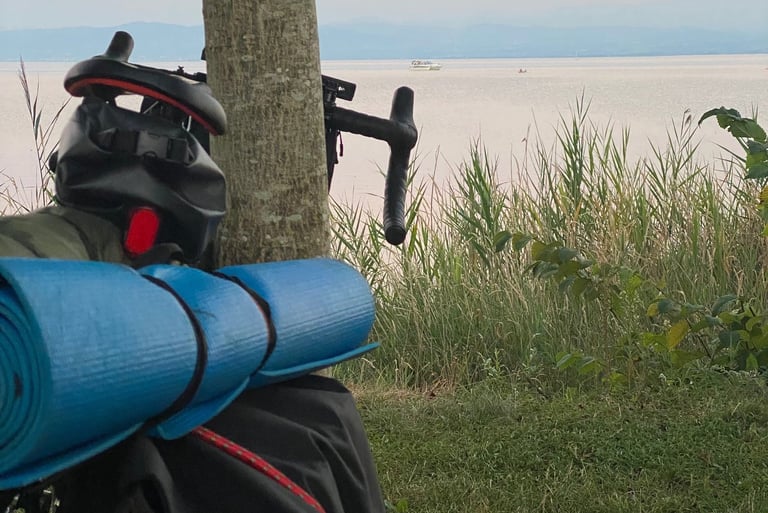
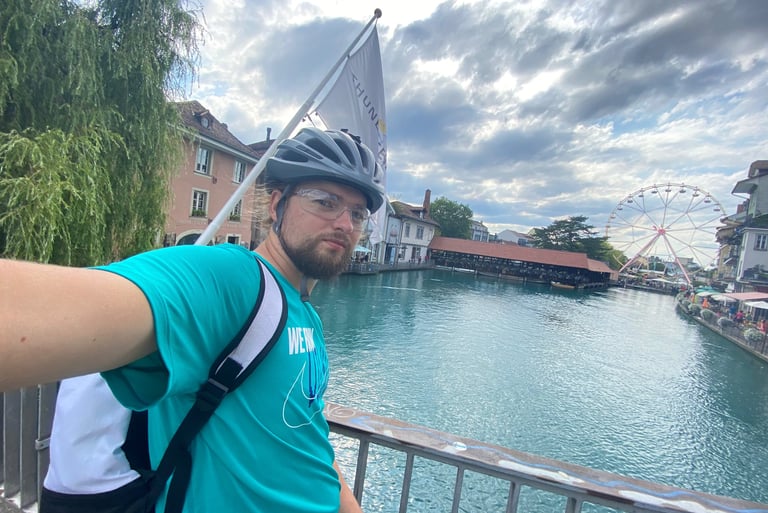
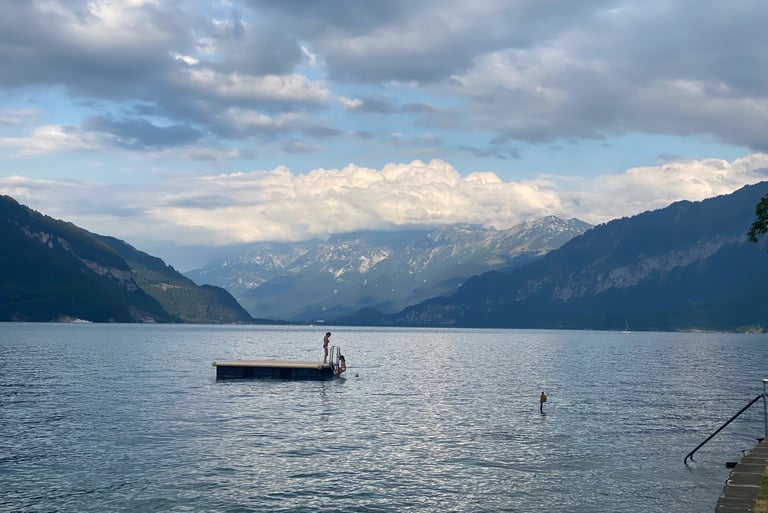
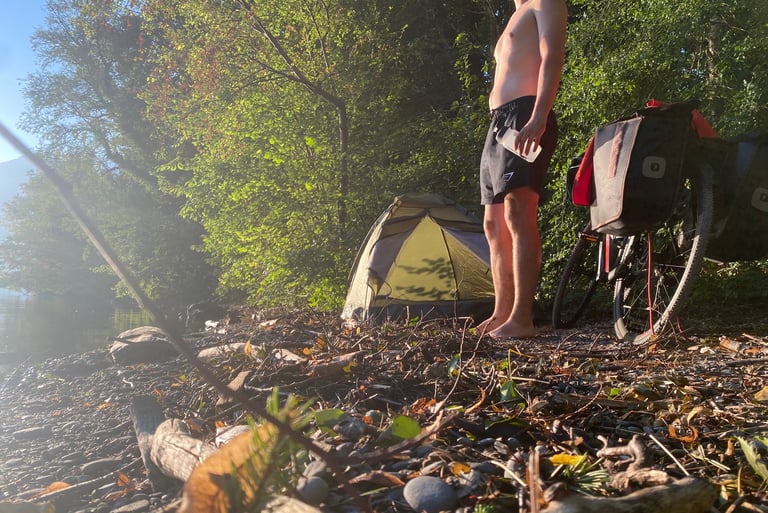
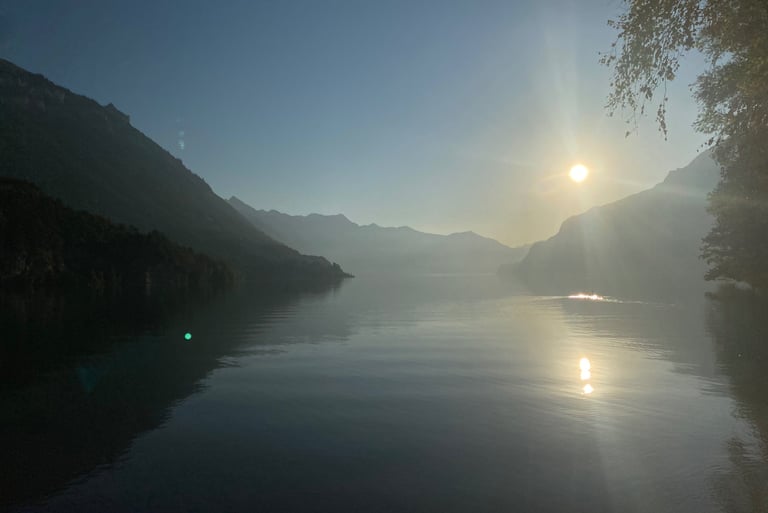
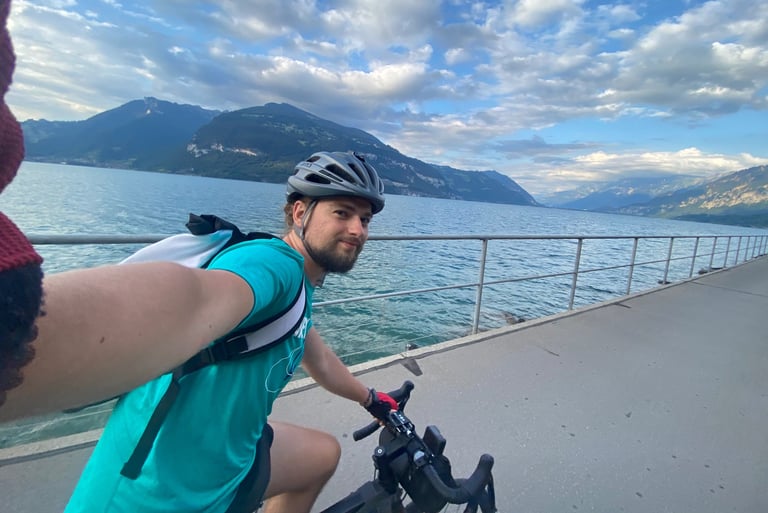
From Bern, the wheels rolled into Interlaken, often called the adventure capital of Switzerland. This is where adrenaline junkies skydive over snowcapped peaks, paraglide across valleys, or kayak in crystal-clear streams. Those activities, however, can drain your wallet quickly—skydiving costs upwards of €400. Instead, I pitched my tent beside Lake Brienz, letting the lull of trains in the distance and the soft lap of water put me to sleep. Cost? Nearly free.
Lauterbrunnen & Grindelwald: Swiss Postcards Come Alive
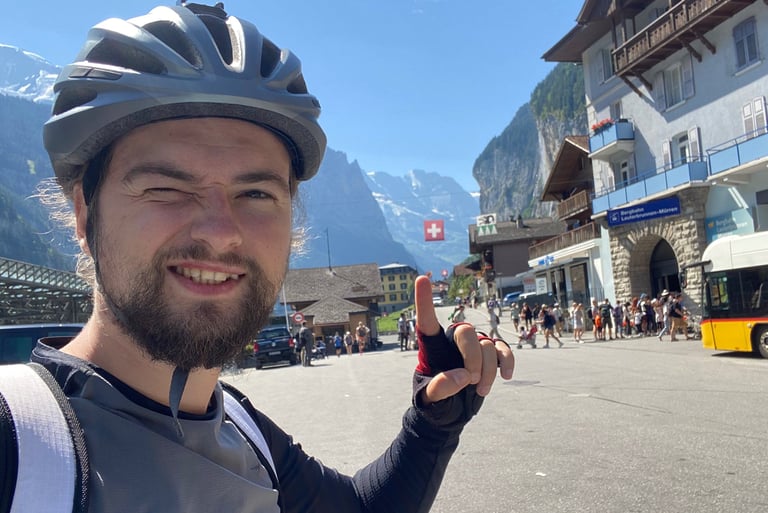
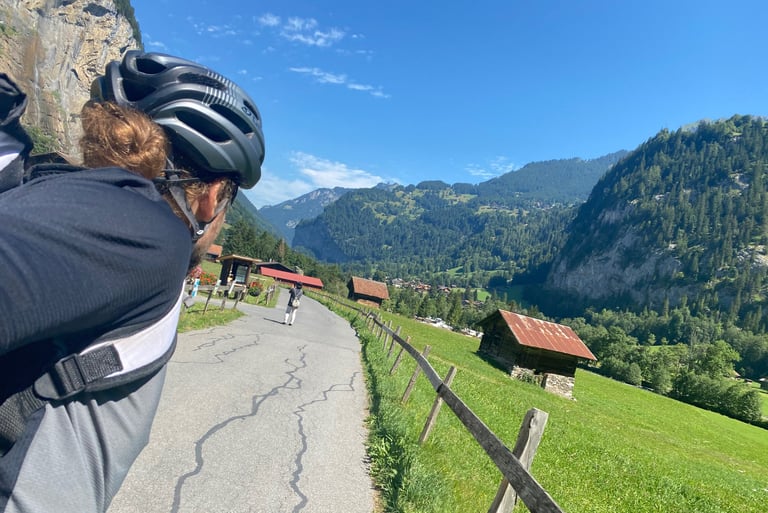
Pedaling into Lauterbrunnen felt like entering a fantasy. Surrounded by 72 waterfalls and towering cliffs, this valley is often called the most beautiful in Switzerland. The uphill ride was brutal, but the reward was staggering views and charming Swiss chalets untouched by time. The next stop, Grindelwald, was equally stunning, with glaciers looming above and hiking paths stretching endlessly. Here, a simple grocery trip reminded me of Switzerland’s infamous prices: €2.50 for a bar of chocolate, €3.50 for bottled water, €7–8 for bread and cheese. Still, far cheaper than dining out.
Grimselpass: Conquering the Mountain
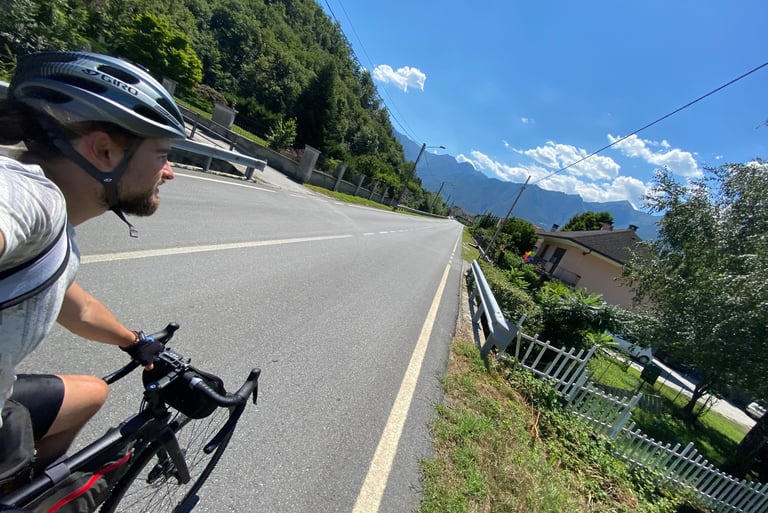
The crown jewel of the ride was Grimselpass, a legendary Swiss mountain pass at over 2,100 meters. Cyclists without heavy bags flew by like butterflies, while I grinded my way up, lungs burning and legs screaming. Instead of alpine air, exhaust fumes from cars and motorbikes filled the road, but reaching the summit made it all worth it. The descent? Pure joy—hairpin turns, wind in the face, the Alps unfolding below.
Matterhorn & Zermatt: Icons of Switzerland
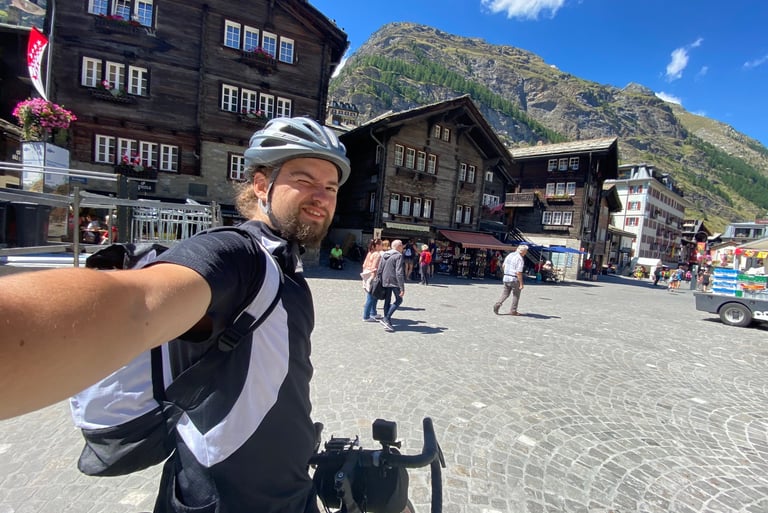
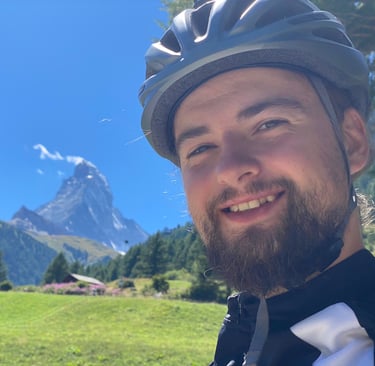
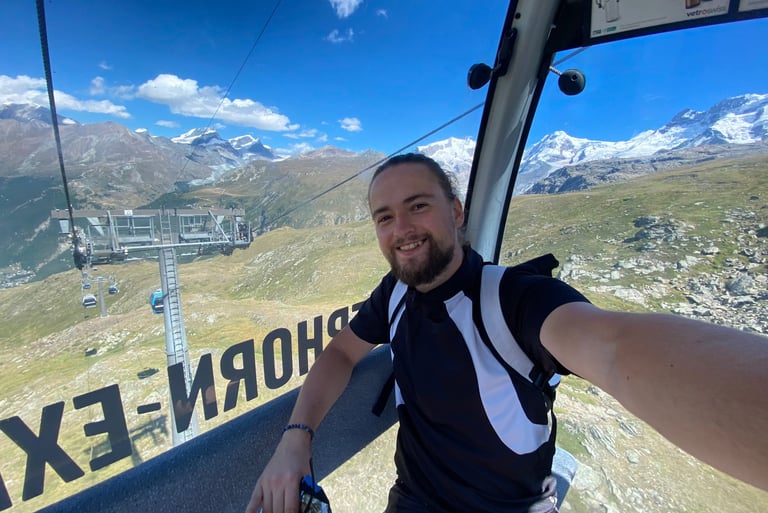
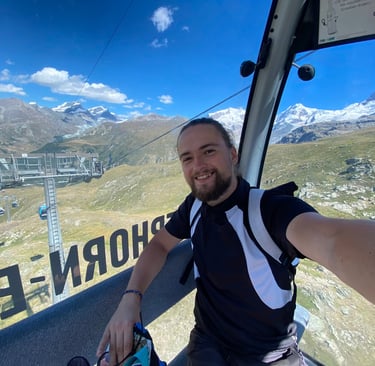
Of course, no Swiss journey is complete without the Matterhorn. Near Zermatt, I left the bike and took a cable car up for a closer look at this pyramid-shaped giant. Intriguing fact: while Toblerone chocolates feature the Matterhorn, they’re no longer Swiss-owned—they belong to an American company, with much of the production moved to Slovakia. Standing before the real thing, though, nothing felt more Swiss. A small mistake hit me here—I hadn’t realized that some cable cars can even take you across the Italian border. That knowledge could have saved me hours of brutal pedaling.
Towards Italy: Visp to Milan
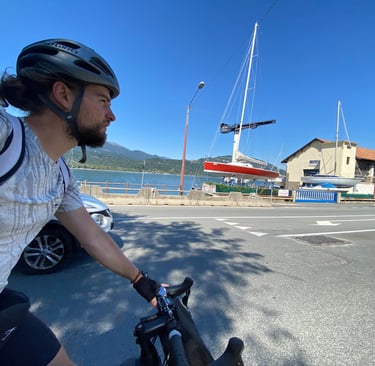
From Visp, the road wound toward the Italian border. Fatigue set in. Nights grew colder. One failed attempt at crossing into Italy by bike taught me an important lesson: before such a trip, train your body. Don’t spend evenings on YouTube instead of working out. Switzerland demands strength. Eventually, the road led down into Domodossola and, finally, Milan—a cultural explosion after weeks of mountain solitude.
The Numbers: Can You Really Travel Switzerland on a Budget?
Yes, if you’re smart.
Coffee in Zurich: €4–5
Simple grocery meal (bread, cheese, fruit): €8–10
Camping spot: €10–15/night
Budget hotel/hostel: €30–50/night
Skydiving in Interlaken: €400+
Cable car to Matterhorn: €40–60 (round trip)
Entire 3-week journey: ~€1,500 (including insurance, transport, food, and accommodation)
Compare that to a luxury trip in Switzerland, where three weeks could easily top €6,000–8,000. Cycling and camping made me feel just as rich in experience, if not more.
Final Thoughts: The Swiss Secret
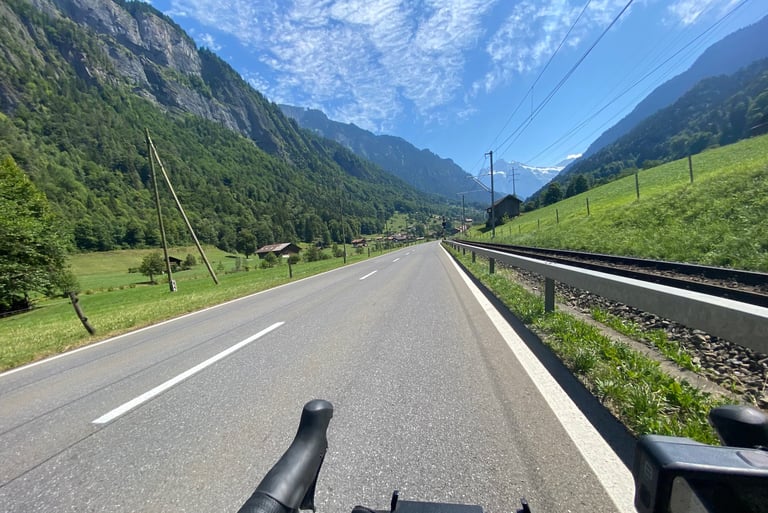
Switzerland may be branded as a millionaire’s playground, but this journey proved that with two wheels and a tent, anyone can unlock its treasures. From Munich to Milan, covering over 1,000 kilometers, this wasn’t just a trip—it was a transformation. The mountains tested me, the rain humbled me, and the views rewired my brain. Switzerland, in all its expensive glory, became the stage for the cheapest luxury of all: freedom.
So if you’re dreaming of Switzerland but fear the prices, take the road less traveled. Bring your bike, pack your courage, and discover that the Alps are for everyone—not just the wealthy few.



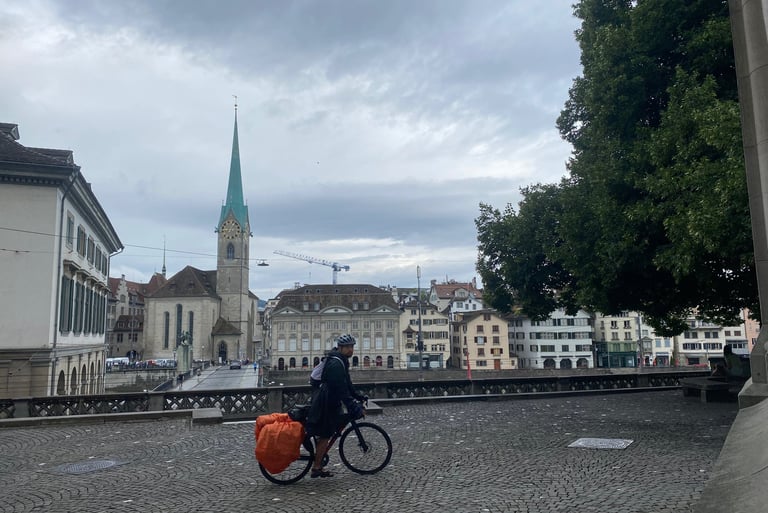
The Journey Begins: Munich to Zurich
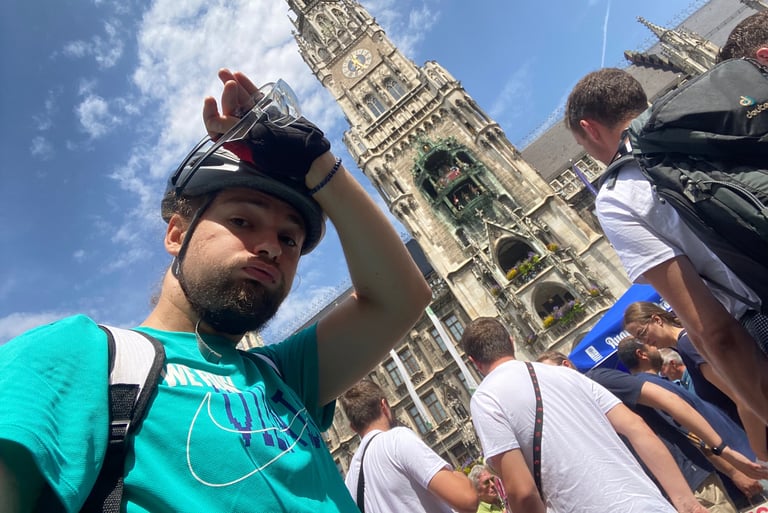
The adventure kicked off in Munich, a city that thrives on Bavarian energy and the smell of pretzels in the air. From there, the route pointed straight into Switzerland, landing in Zurich—a city famous for its banks, clean streets, and yes, some of the highest coffee prices in Europe. Think €4–5 for a simple espresso. For a budget traveler, Zurich is both jaw-dropping and jaw-clenching.
Connect me:
If you need help to plan your adventure
Follow
© 2025. All rights reserved.